
Failure to Prevent Fraud: What London Businesses Need to Know
Since 1 September 2025, large organisations can be criminally liable when staff or agents commit fraud for their benefit. Here is who is covered, what the defence requires and why London supply chains feel it.
 By James Bennett7 min read



Essential reading
Latest analysis
Record Completions, Record-Low Starts: Central London's Office Squeeze
Central London is set for a record year of office completions, yet new development starts are heading for a decade low. Here is what the latest Savills data says about rents, supply and what comes next.

Shoplifting Figures and the New Shopworker Assault Offence
Police-recorded shoplifting dipped 2% in the year to June 2026, while the Crime and Policing Act 2026 creates a standalone offence of assaulting a retail worker. Here is what has changed and what has not.

Innovator Founder Visa: What Overseas Founders Must Know
The Innovator Founder visa is the main route for overseas entrepreneurs who want to build a business in the UK. Here is how endorsement, fees, savings and timelines work, with a worked cost example.

Online Sales and the 14-Day Cancellation Rule: A Guide for UK Sellers
Anyone selling to consumers online in the UK must honour a statutory cancellation window. This guide explains when the 14 days start, what must be refunded and where the exceptions lie.

Energy Costs and Thinner Margins: How UK Firms Are Bracing
Two official surveys published in October 2026 show UK businesses worried about energy and fuel bills, expecting thinner margins and planning only cautious price rises. Here is what the figures say and what they mean for London firms.

Opinion: The £90,000 VAT Cliff Edge Still Punishes Growth
Cross £90,000 of taxable turnover and a business must register for VAT, however thin its margin. This piece argues the single-step threshold is a poor fit for growing London firms.

How Flexible Working Requests Work for London Employees
Every employee in Great Britain can ask to change their hours, days or place of work from their first day in a job. Here is how the statutory process works and what a reasonable employer response looks like.
From Business
More Business →Failure to Prevent Fraud: What London Businesses Need to Know
Since 1 September 2025, large organisations can be criminally liable when staff or agents commit fraud for their benefit. Here is who is covered, what the defence requires and why London supply chains feel it.
Energy Costs and Thinner Margins: How UK Firms Are Bracing
Two official surveys published in October 2026 show UK businesses worried about energy and fuel bills, expecting thinner margins and planning only cautious price rises. Here is what the figures say and what they mean for London firms.

Director ID Verification: What London Firms Face by November
Companies House's 12-month transition for director identity checks ends in mid-November 2026, and the first prosecutions have already landed. Here is what the rules require and where London firms can trip up.
From Commerce
More Commerce →Online Sales and the 14-Day Cancellation Rule: A Guide for UK Sellers
Anyone selling to consumers online in the UK must honour a statutory cancellation window. This guide explains when the 14 days start, what must be refunded and where the exceptions lie.

Commercial Payments Bill: What the 60-Day Cap Means for Suppliers
The government's Commercial Payments Bill would cap payment terms at 60 days, make late-payment interest mandatory and give the Small Business Commissioner real teeth. Here is what is proposed and what is still unsettled.

How London's Retail Economy Is Adapting to New Consumer Habits
Online shopping has plateaued rather than taken over — leaving retailers with a more complicated task than choosing between physical and digital.
From Startups
More Startups →Innovator Founder Visa: What Overseas Founders Must Know
The Innovator Founder visa is the main route for overseas entrepreneurs who want to build a business in the UK. Here is how endorsement, fees, savings and timelines work, with a worked cost example.

How Government-Backed Start Up Loans Work for London Founders
Start Up Loans offer £500 to £25,000 at a fixed 7.5%, with mentoring attached. Here is how the scheme works, what it costs and where London sits in its lending.

The Practical Challenges Facing New Businesses in London
Most new businesses that fail aren't victims of a bad idea — they run into the same handful of practical problems. Here's what actually trips up new London companies most often.
From Retail
More Retail →Shoplifting Figures and the New Shopworker Assault Offence
Police-recorded shoplifting dipped 2% in the year to June 2026, while the Crime and Policing Act 2026 creates a standalone offence of assaulting a retail worker. Here is what has changed and what has not.

August 2026 Retail Sales: What the ONS Figures Show Shops
Retail volumes rose 0.5% in August after a July dip, according to the ONS. Behind the headline sit promotions, weather, fuel and an online share near 29%.
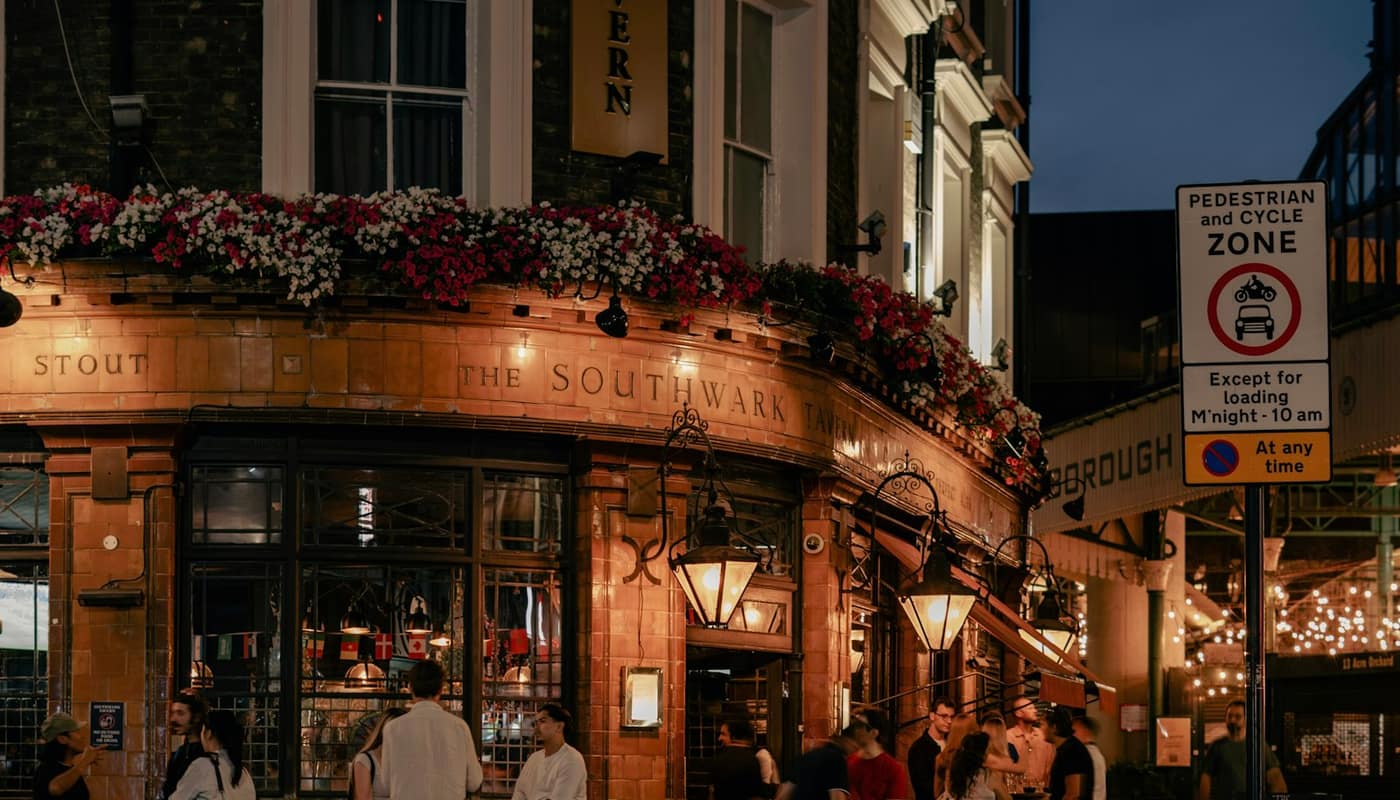
What the 2026 Business Rates Changes Mean for London Shops, Pubs and Restaurants
Business rates changed on 1 April 2026: a revaluation, five multipliers and the end of temporary relief. Here is what it means for London's shops, pubs and restaurants, and what to check on your own bill.
From Property
More Property →Record Completions, Record-Low Starts: Central London's Office Squeeze
Central London is set for a record year of office completions, yet new development starts are heading for a decade low. Here is what the latest Savills data says about rents, supply and what comes next.

Upwards-Only Rent Reviews Are Banned: What London Tenants Gain
A new Act bans upwards-only rent review clauses in new and renewal commercial leases in England and Wales. Here is what the law says, what it leaves open, and what it could mean for London occupiers and landlords.

What the 2031 EPC B Plan Means for London's Commercial Landlords
The government has dropped its 2027 and 2030 energy targets for rented commercial buildings and pointed to EPC B from 2031 for larger premises. Here is what has changed and what remains in force today.
From Finance
More Finance →Bank Rate Held at 3.75%: What a Split MPC Means for London Firms
The Bank of England kept Bank Rate at 3.75% in September, but three of nine policymakers wanted a rise. Here is what the split, and fresher inflation data, mean for London business borrowers.

Corporation Tax Bands Explained: Small Profits Rate and Marginal Relief
UK company profits are taxed at 19%, 25% or somewhere in between. This explainer sets out the two thresholds, how associated companies and short accounting periods change them, and what London owners should watch.

Growth Guarantee Scheme Changes: What London Borrowers Should Know
The government has announced a major expansion of the Growth Guarantee Scheme, with longer loan terms and a higher turnover ceiling. Here is what has changed and what it means for London firms seeking finance.
From Careers
More Careers →Employment Rights Act: The Dates London Employers Must Now Watch
A tighter harassment duty arrives on 30 October and a six-month unfair dismissal threshold follows on 1 January 2027. Here is the timetable London staff and employers should have in view.
How Flexible Working Requests Work for London Employees
Every employee in Great Britain can ask to change their hours, days or place of work from their first day in a job. Here is how the statutory process works and what a reasonable employer response looks like.

London's Job Market Is Cooling: What the Latest ONS Figures Show
London now has the highest unemployment rate of any UK region, while national vacancies have edged down to 702,000. Here is what the latest official figures say about hiring and pay.
From Opinion
More Opinion →Opinion: Budget Week Should Reward Stability, Not Surprises
With the Budget due on 28 October, this piece argues that London's small firms need a quiet, predictable tax year more than any headline giveaway.
Opinion: The £90,000 VAT Cliff Edge Still Punishes Growth
Cross £90,000 of taxable turnover and a business must register for VAT, however thin its margin. This piece argues the single-step threshold is a poor fit for growing London firms.

Opinion: The £30,000 Digital Tax Line Is Drawn in the Wrong Place
From April 2027, Making Tax Digital for Income Tax reaches sole traders and landlords with turnover above £30,000. Turnover, not profit, is the test, and that is the flaw.